Like many Nigerians, I once walked into a hospital believing all would be fine. The signboard looked convincing, the waiting room was full, and I assumed that meant quality care. Three hours later, still waiting without explanation, watching others grow equally frustrated, I started to wonder if I’d made a mistake. By the time I finally saw a doctor, rushed, dismissive, clearly overwhelmed, I knew I had. That single visit taught me five important lessons. Lessons I wish I’d learned before stepping through those doors.
A Hospital’s Reputation Matters More Than Its Appearance
The facility looked decent enough. Clean floors, working air conditioning, a receptionist behind a desk. But the experience didn’t match the exterior. Care quality varies wildly across Nigerian hospitals, and it’s often the things you don’t see that shape your experience: how well the facility is organized, how clearly staff communicate, how consistently they deliver care. A fresh coat of paint doesn’t tell you any of that. Real patient reviews do.
Long Waiting Times Are a Warning Sign
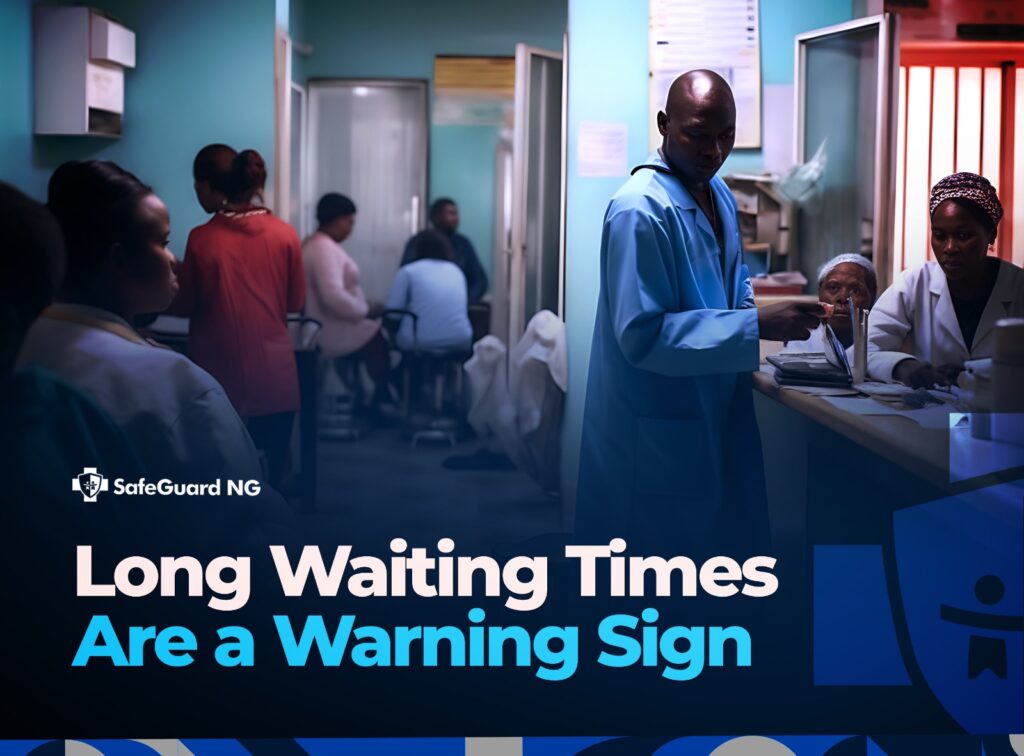
I spent half my day in that waiting room. No updates. No apology. No explanation. At first, I thought I was unlucky. Then I overheard others, people who’d been there multiple times, saying the same thing: “This place always runs late.” Waiting for hours without communication isn’t just frustrating. It reflects how a facility is managed. And when many patients report the same issue, it’s not bad luck — it’s a pattern worth paying attention to.
How Staff Treat Patients Shapes the Entire Experience
Medical expertise is essential. But empathy and respect matter just as much. I’ll never forget how the nurse spoke to the elderly woman next to me, impatient, dismissive, as if her questions were a burden. I saw the woman shrink into herself, too intimidated to ask again. Patients remember how they were spoken to. How they were listened to or ignored. Those experiences deserve to be shared, because they shape whether someone feels cared for or just processed.
Cleanliness and Order Are Signals of Safety
Halfway through my visit, I noticed the consultation room was cluttered. Supplies scattered. No visible hand sanitizer. The doctor didn’t wash his hands before examining me. These aren’t minor details in healthcare. Poor hygiene and disorganization are red flags, signs that standards may be slipping in other areas too. When patients repeatedly raise these concerns about a facility, it helps others make safer choices.
I Could Have Made a Better Choice If I Had Checked First
Looking back, I realized others had experienced the same issues before me. The long waits. The rushed consultations. The lack of basic courtesy. If I’d known, I would have chosen differently. That’s the power of shared patient experiences. When people speak up about what they’ve been through, it creates a clearer picture, one that helps the next person avoid making the same mistake.
Why SafeguardNG Matters
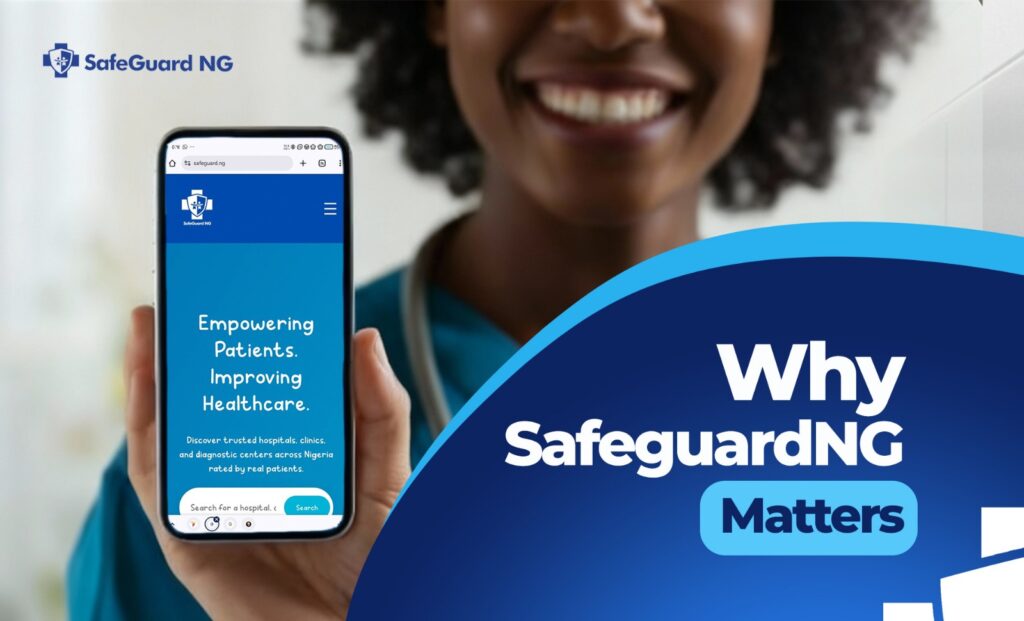
Most people choose hospitals the way I did: based on proximity, word of mouth, or a hopeful guess. SafeguardNG changes that. It’s a platform where Nigerian patients share their real experiences and where those experiences are turned into SafeScores: a simple, reliable rating that shows how hospitals and diagnostic centres actually perform. No more guessing. No more relying on assumptions. No more regretting your choice three hours into a waiting room. With SafeguardNG, you get clarity before you walk in. Better healthcare starts before you step into a hospital.
In conclusion, When patients share their experiences, everyone wins. Facilities improve. Standards rise. And people like you and me make smarter, safer decisions.
Check a hospital’s SafeScore before your next visit. It takes 30 seconds, and it could save you hours of regret.
Ready to make informed healthcare choice?
Sign up today on SafeguardNG and see what other patients are saying.